top of page

ROCKY'S MATCHA X STANFORD
.webp)

Duration: 4 week planning; 1 hour event
Tools: Figma
Primary Role: Project Manager
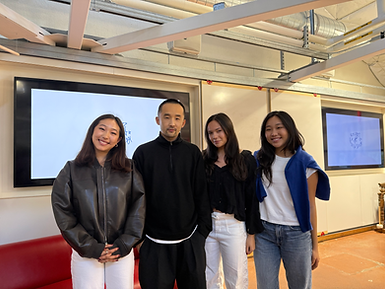
When we decided to host Rocky Xu, Founder and CEO of Rocky’s Matcha, at Stanford, the goal was to create a space where early-stage founders could hear what building a company actually looks like, beyond the polished narratives of success we usually see online.
Rocky’s story resonated with me because it’s deeply product-driven. He didn’t start with hype or scale in mind. He started with taste, quality, and an obsession with getting something simple right. He started at a farmers market in LA, and soon grew to serving Pharrell Williams in Paris not even a year later. That mindset mirrors how many students at Stanford are thinking about building today: starting small, learning quickly, and iterating based on real feedback rather than assumptions.

Hosting the event meant owning everything end to end. From coordinating with Rocky directly via email, securing an event space at the d.school, and organizing a live matcha stand, to managing logistics and ensuring the experience felt intentional for over 100 attendees. The most interactive part of the event was the live Q&A. Rather than a rehearsed talk, we structured the event around open dialogue. I facilitated questions from the audience, guiding the conversation toward the things early founders are often unsure about but rarely get candid answers to: knowing when something is “good enough” to ship, balancing intuition with data, navigating early failures, and staying close to the product as a company grows.
For me, hosting this event reinforced something I’ve learned repeatedly through design and product work: creating meaningful experiences is less about grand gestures and more about thoughtful execution. Clear goals, intentional structure, and respect for people’s time and curiosity go a long, long way. Whether you’re designing a product or hosting a conversation, the work is the same: anticipate needs, reduce friction, and create space for people to engage fully.

Organizing the event end to end and hearing from Stanford students afterward, many of whom shared how refreshing it felt to attend something thoughtful, grounded, and unlike anything Stanford has hosted before. The excitement and gratitude around the event made it clear there’s real appetite for more design- and product-driven conversations like this, and it’s an energy I’m excited to continue building on through future events and projects, whether that's through On Call, or other projects I plan on starting up soon.
bottom of page